

Trip Snapshot
Highlights
Quick facts for planning this journey.
Difficulty
7/10
Duration
22 Days
Trip Style
Everest Base Camp Trek
Difficulty
Difficult
Best Time
Autumn (Sep-Nov) and Spring (Mar-May)
Transportation
Private Vehicle, Domestic Flight
Accommodation
Semi Lodge/ or fully Camping
Max Altitude
5545 m
Group
Min-1, Max 20
Summary
Trip Summary
Summary
Trip Summary
Overview
Trip Overview
Overview
Trip Overview
Trip Introduction
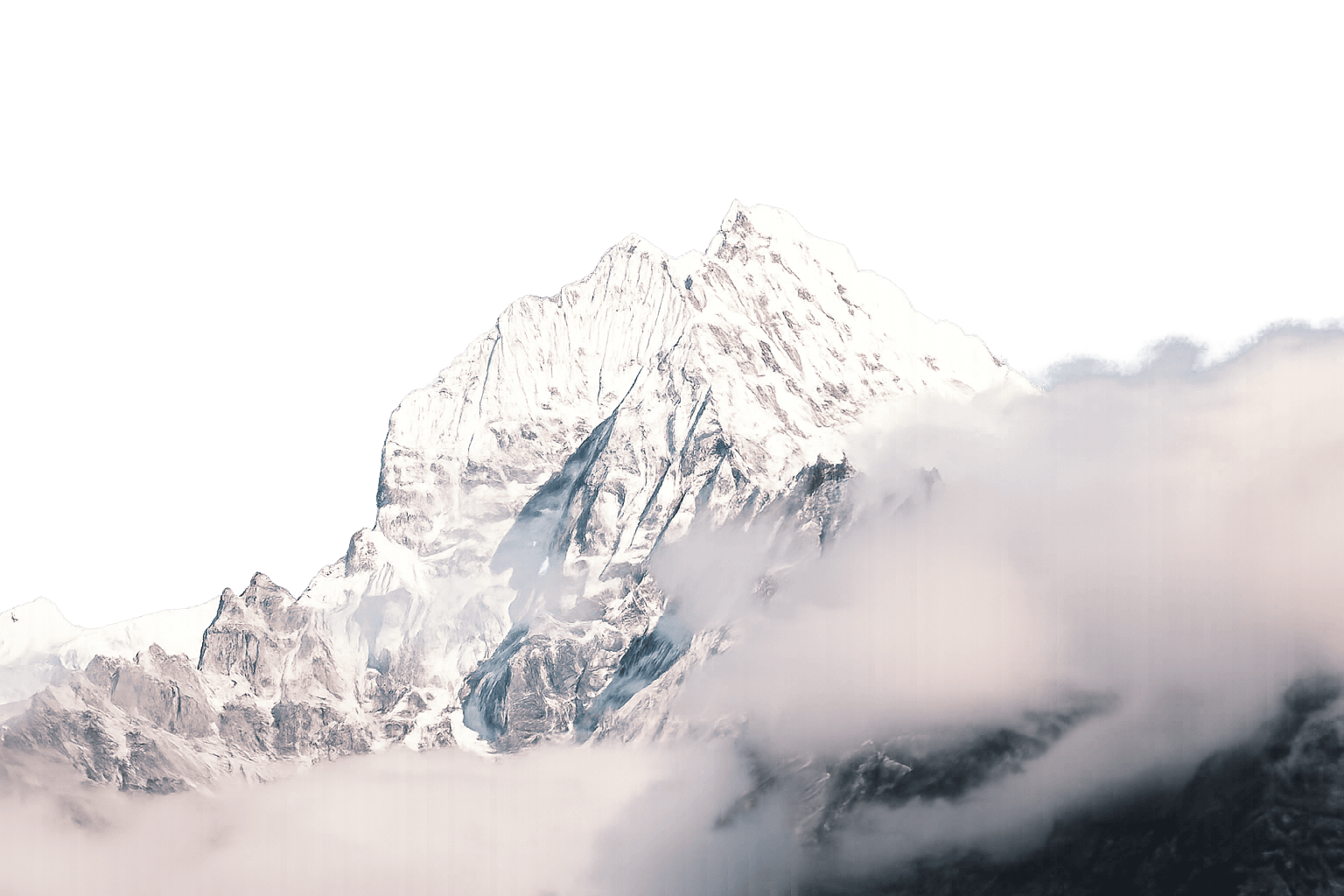
The Kala Pathar Cho la pass Trek lies Mt.Everest cannot be observed from the base camp. So, most of the trekkers climb Kala Pattar (5545m.) which is situated on the southern flank of Pumori (7145 m.). Not only Everest but also other mountain peaks such as Mt. Lhotse, Mt. Nuptse, Mt. Amadablam, Mt. Pumori, Mt. Thamserku, Mt.Kantega, Kwangde, and others can be seen from Kala Pattar. Nepal Arun Valley Trek
Everest region offers varieties of trekking trails like- Everest Base Camp Trek, Kala Pattar Trek, Gokyo-Ri Trek, Gokyo Cho- La Pass Trek, Renjo La Pass Trek, Everest High Pass Trek, Everest View Trek, Everest Panorama Trek, Everest Comfort Trek, etc. Along the trail, the travelers would experience the typical Sherpa culture in the alpine settlements such as Lukla, Phakding, Monjo, Namche Bazaar, Khumjung, Thame, Tyangboche, etc. Everest View Trek
Being situated at higher altitude, the region has a high risk of Acute Mountain Sickness (AMS) if the due emphasis is not given for acclimatization. If symptoms like a headache, loss appetite and vomiting are seen, one has to immediately inform to the guide so that he would facilitate to take first aid treatment or take you to the nearby health post or he will take you down to the lower altitude.
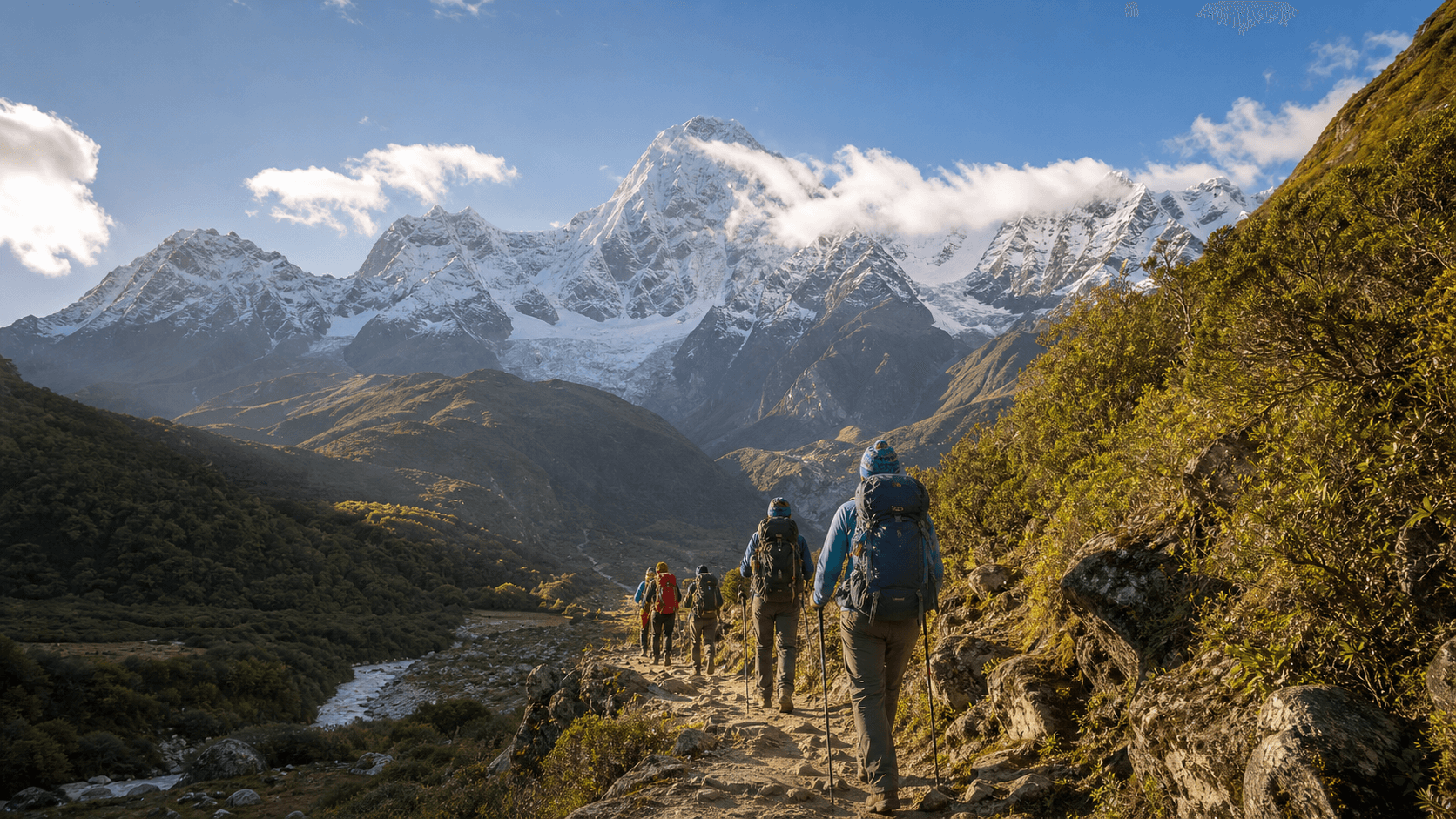
Incredible Mountain views from Chukung, Kala Patthar, and Gokyo Ri. It includes all that the Khumbu has to offer including the enthralling villages and Tibetan Buddhist monasteries and the culture and warmth of the Sherpa people. After starting with a flight to Lukla we trek up to Kala Patthar 5,550 m. and then change direction off the main track to cross the Cho La pass 5,422m into the Gokyo Valley. We climb Gokyo Ri 5,488 m for a panoramic view of the greatest mountain scenery in the world. Ghorepani Poon hill Trek
Itinerary
Day By Day Plan
Itinerary
Day By Day Plan
Trip Itinerary
Day 01: Arrival Kathmandu and transfer to the Hotel.
Day 02: Flight to Lukla (35 minutes) and trek to Phakding (2610m).
Day 03: Trek to Namche Bazaar.
Day 04: Extra day to ‘REST’ Namche acclimatization.
Day 05: Trek to Thame village.
Day 06: Trek to Khunde-Khumjung village.
Day 07: Trek to Thyangboche monastery.
Day 08: Trek to Pheriche (4252m).
Day 09: Extra day to ‘REST’ you can walk over the ridge to Pheriche to visit the medical center and attend the AMS lecture (I found this very interesting, and I also needed to get some medicine at that point). You could stay in Pheriche or walk back to Dingboche.
Day 10: Trek to Thukla and continue to Lobuche.
Day 11: Trek up the Khumbu Glacier to Everest Base Camp. Overnight at Gorakshep.
Day 12: Hike to Kala Pathar View Point trek to Lobuche.
Day 13: Trek to Dzongla.
Day 14: Cross Cho La pass and trek to Dragnag.
Day 15: Trek across Nozumpa Glacier to Gokyo Lake.
Day 16: Climb to Gokyo Ri Peak for Everest views.
Day 17: Trek down the valley to Dole.
Day 18: Trek to Namche Bazaar.
Day 19: Trek to Lukla.
Day 20: Fly from Lukla to Kathmandu (35 minutes) and transfer to the hotel.
Day 21: Extra day in Kathmandu: This is a cushion day for the eventuality that may arise for delays or cancellation of flight or any other reasons beyond our control. In case everything works out fine then you may have the privilege of using this day for sightseeing around Kathmandu Valley hunting souvenirs or any other option that may interest you. Overnight Hotel.
Day 22: Final departure transfer to Airport.
Package
Trip Package
Package
Trip Package
Cost Details
Cost Includes:
- All land transfer, arrival, and departure as per the itinerary.
- Hotel accommodation with bed and breakfast on Twin sharing basis as per the itinerary.Food during the trek 3 meals a day (breakfast, lunch, and dinner) in specified local lodges or prepared by our cook.
- English speaking experienced & professional trekking guide licenses holde.
- Porters (1 porter carries the luggage up to 25 kgs of 2 participants during the trek).
- City tours as mentioned in the itinerary with English speaking guide and all land transportation with private car/jeep/van.
- All necessary trekking and climbing related permit including TIMS, National Park Entrance fee, and ACAP Fee.
- Insurance, proper warm clothing, shoes, sunglass and daily wages for guide and porter.
- Camping Trek daily wages, Guide, Sherpa helpers, Cook, Kitchen Boys, Porters, with food allowance while trekking.
- Accommodation in 2 men Tents during Trek supported with a dining tent, Kitchen tent, Toilet tent, Shower tent, Table, chairs and Mattress.
- Necessary kitchen utensils.
Cost Excludes:
- Lunch and dinner while in Kathmandu or in Pokhara stay.
- Personal gears and expenses of personal nature and Personal medical and travel insurance emergency evacuation.
- Hard and any form of soft drinks.
- All confectionary and snacks, Charges for desserts including shower and boiled drinking water, Phone calls, Laundry and Alcoholic beverages etc.
- Any airfare: Domestic International departure taxes and any excess baggage charges.
Tips and Gratitude for Guides and Porters according to the custom of trekking in Nepal.
Cost Details
Cost Includes:
- All land transfer, arrival, and departure as per the itinerary.
- Hotel accommodation with bed and breakfast on Twin sharing basis as per the itinerary.Food during the trek 3 meals a day (breakfast, lunch, and dinner) in specified local lodges or prepared by our cook.
- English speaking experienced & professional trekking guide licenses holde.
- Porters (1 porter carries the luggage up to 25 kgs of 2 participants during the trek).
- City tours as mentioned in the itinerary with English speaking guide and all land transportation with private car/jeep/van.
- All necessary trekking and climbing related permit including TIMS, National Park Entrance fee, and ACAP Fee.
- Insurance, proper warm clothing, shoes, sunglass and daily wages for guide and porter.
- Camping Trek daily wages, Guide, Sherpa helpers, Cook, Kitchen Boys, Porters, with food allowance while trekking.
- Accommodation in 2 men Tents during Trek supported with a dining tent, Kitchen tent, Toilet tent, Shower tent, Table, chairs and Mattress.
- Necessary kitchen utensils.
Equipment
What You Need To Bring
Equipment
What You Need To Bring
Equipments List
EQUIPMENT LIST
Nepal Trekking Equipment List
This piece info is creating data on consumer goods and equipment needs, For those that would love an extra detailed discussion for equipment for Nepalese Himalayan Trek.
The following equipment list is required for Nepal Trekking and climbing and a list, you have to have suggested equipment just have with you, however, that you just might have your own personal first choice equipment which can be equally as appropriate
Footwear
- Walking boots with suitable ankle support that have been worn-in prior to the trek, and which are waterproof.
- Trainer or casual shoes, for trekking and/or for travelling.
- Warm socks for colder areas.
- Gaiters, in case of rain or snow
Legwear
- Loose, casual trousers for trekking.
- Thermal leggings for colder areas.
- Long skirt for women as an alternative to trousers.
- Waterproof trousers
Body
- Selection of T-shirts, and long sleeved shirts, preferably not cotton.
- Thermal shirt for colder areas.
- Warm shirt, possibly fleeces, for colder areas.
- Fleece jacket or warm wool jumper.
- Windproof, waterproof outer shell garment for higher altitudes.
- Down jacket (optional for cold nights & mornings; can be hired in Kathmandu cheaply)
Head/Hands
- Wool or fleece hat, or balaclava.
- Hat or cap for sun protection while trekking.
- Sunglasses or goggles.
- Warm gloves
Other items
- Strong rucksack or large hold all to be carried by porters.
- Daysack to be carried personally.
- Plastic bags or stuff sacks to store/separate trekking gear inside your main bag.
- One litre water bottle.
- Personal first aid kit to include essential items.
- Sleeping bag, 4 seasons.
- Torch, ideally head torch.
- Digital Camera and spare battery and battery charger! – For those not to be forgotten shots of the Himalaya.
- Toilet items and towel.
- Large handkerchief/bandana for neck
Optional items
- Binoculars
- Books (see Recommended Reading)
- Altimeter
- Compass
- Playing cards / backgammon / chess set
Recommended Mountaineering Kit
In addition to the items mentioned above for trekking, the following is a list of the additional specialist items which are required for the trekking peaks.
Plastic or leather mountaineering boots, with gaiters and crampons that have been tested for a good fit.
Peak Climbing
- fleece trousers
- Additional mitts and gloves suitable for climbing
- Ice axe, and ski poles (note – ice axe can be hired in Kathmandu)
- Climbing harness
- 2 x tape slings
- 2 x screw gate karabiners
- Descended/abseil device
- Ascender
Trip Notes
Before You Go
Trip Notes
Before You Go
Trip Highlights
Trip Details:
Total Duration: 22 Days.
Group Size: Min-1, Max 20.
Trekking Region: Mount Everest Region.
Trip Type Name: Everest Base Camp Trek.
Highest Altitude of the trek: 5545 m.
Highest Point: Kala Pathar Cho la pass Trek (5545 m)
Grade: Difficult.
Transportation: Private Vehicle, Domestic Flight.
Accommodation: Semi Lodge/ or fully Camping.
Type of Tour: Trekking, Hiking, Walking, Culture
Trekking Hour: Approximately 6-7 hours each day.
Best Season: Autumn (Sep-Nov) and Spring (Mar-May).
Starting from: Kathmandu.
Ending at: Kathmandu.
Departure
Departure
Review
Gallery
Trip Gallery
Gallery
Trip Gallery

Expedition Banner
Secure Your Climb With Our Core Team
Reserve your place early for guide allocation, expedition logistics, and one-on-one support before departure.
